Free card sorting tool
Run your first card sort in 2 minutes. Free.
For UX researchers and product teams testing navigation and labels. 3 free studies, unlimited participants, no credit card.
This is an example. Edit it or paste your own, then build.
Or start from a template:
Save with Google or email when you’re ready to share. No card.
Used by 1,800+ researchers and product teams
Three steps to a decision
Build
Paste the pages or features you want to organise and pick open, closed or hybrid.
Share one link
Send it to 15 to 30 people. They sort the cards in their browser, no account needed.
Read the analysis
See how people group your content and where they agree, ready as responses arrive.
See the patterns, not a spreadsheet
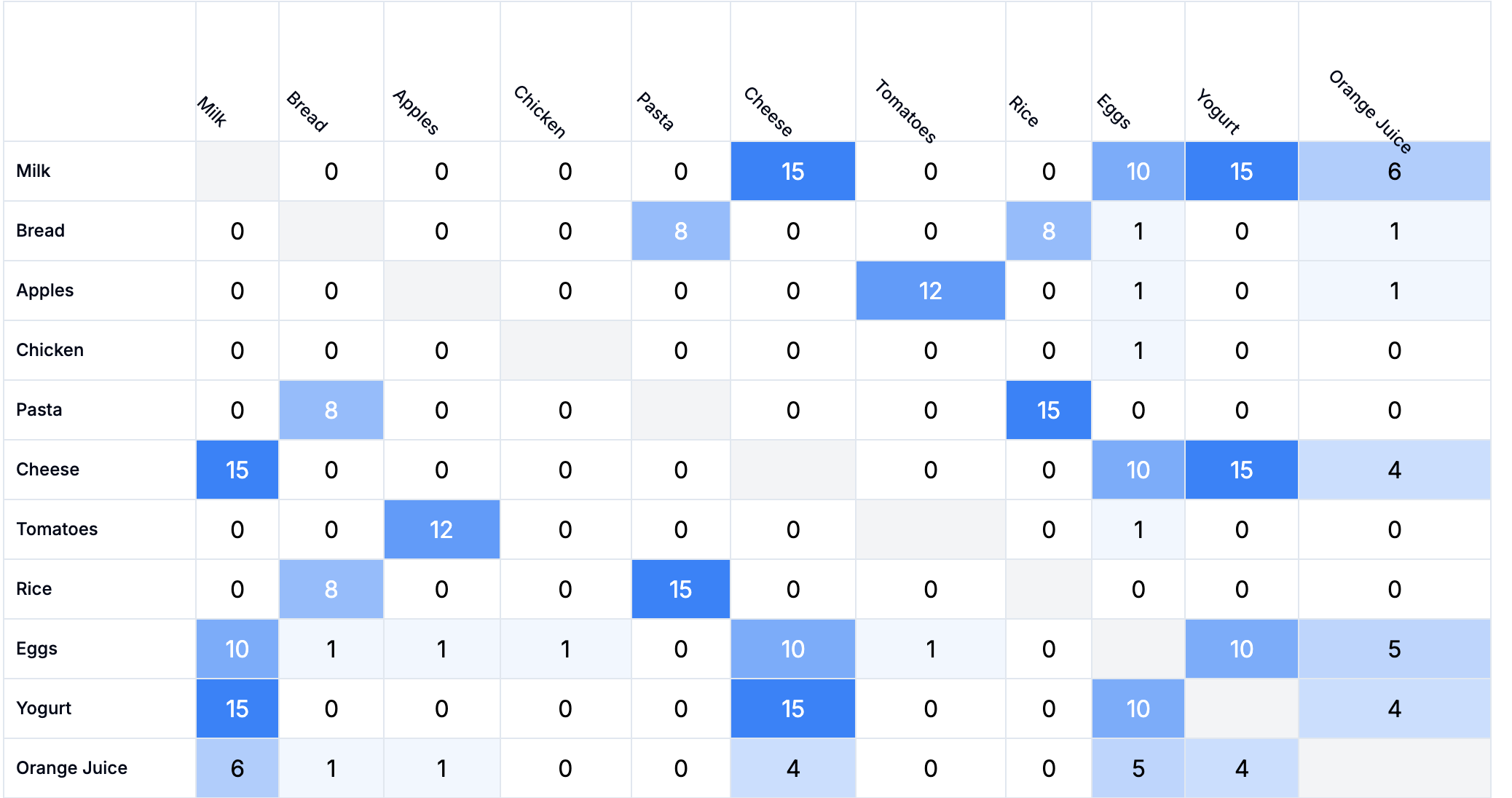
Full analysis turns raw sorts into a clear picture. Below is a similarity matrix. Darker cells mean cards people grouped together more often.
Simple, honest pricing
Start free. Unlock one study for $15 when you need the full picture, or go Starter for every study.
- 3 studies
- Unlimited participants
- Analytics for the first 3 responses
- Full analysis for one study
- Every response, not just the first 3
- CSV export, no subscription
- Unlimited studies
- Full analysis on every study
- CSV export, no branding
See the full pricing for Pro and Team.
Questions
What do I get free?
Three studies (card sorts and tree tests) with unlimited participants, and analytics on the first 3 responses of each study. No credit card.
What does the $15 unlock include?
The full analysis for one study (similarity matrix, dendrogram, insights and CSV export), with every response included, not just the first 3. One-time, no subscription.
Do participants need an account?
No. You share one link and they sort the cards in their browser. Nothing to install and no sign-up for them.
How many participants do I need?
For an open card sort, 15 to 30 people is usually enough to see clear grouping patterns.
What is the difference between open and closed card sorts?
In an open sort, participants create and name their own groups. In a closed sort, you provide the groups and they sort cards into them. A hybrid lets them do both.
Run your first card sort today
Free to start, live in minutes, and the analysis is waiting when the responses come in.